JACK KELLY
Wildlife Cinematographer
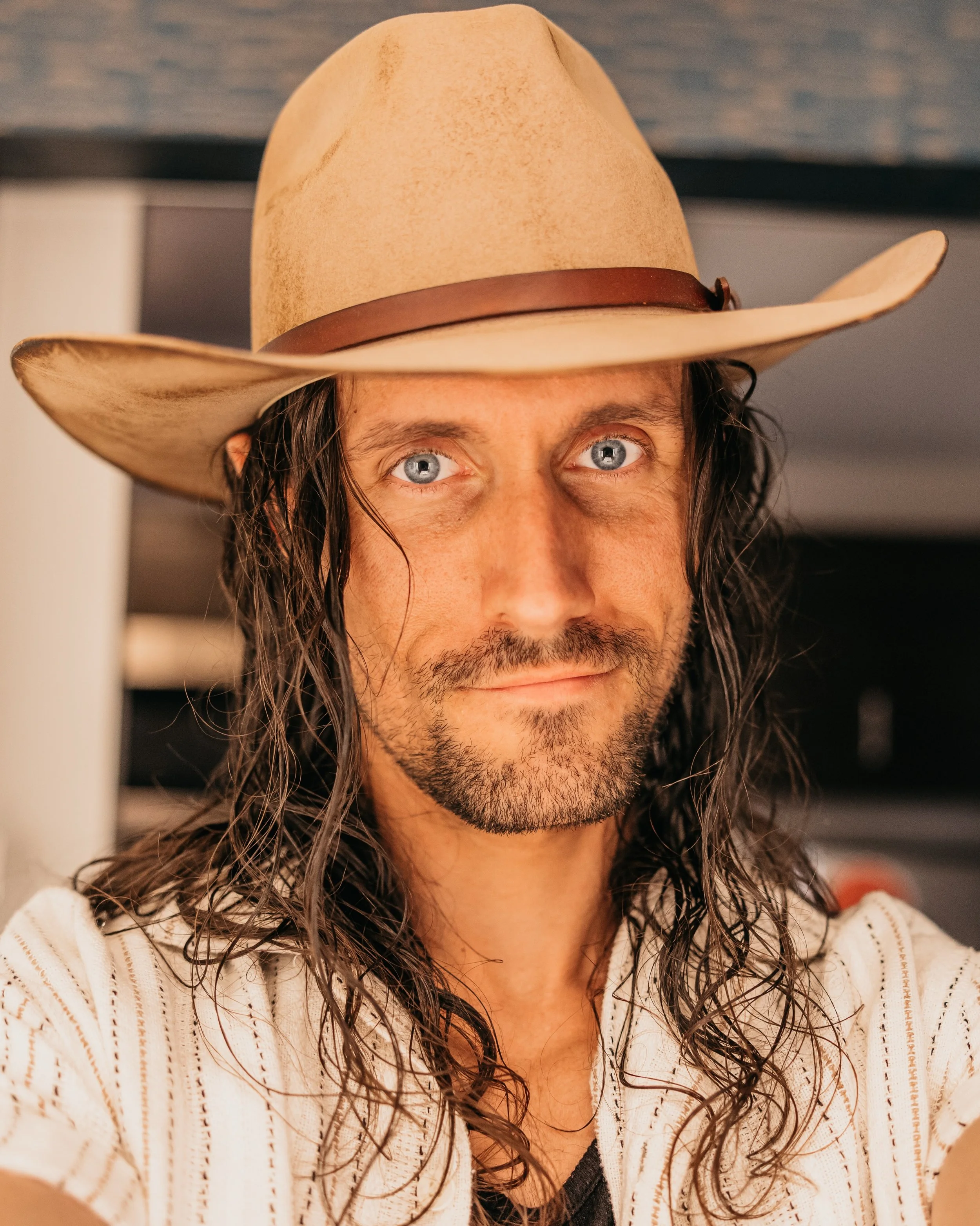
About Jack
My Story
Before social media, I spent most evenings watching nature documentaries on repeat, often leaving them playing on my Xbox all night. That’s how I learned, by watching and absorbing. Anything with Attenborough or Steve Irwin had an influence, but one series stood out most. Oceans followed scientists exploring reefs, shipwrecks, and deep-sea environments. They weren’t just observing wildlife, they were fully immersed in it. Diving into it, discovering it first-hand. That idea of being hands-on in the environment, not just watching it, stuck with me.
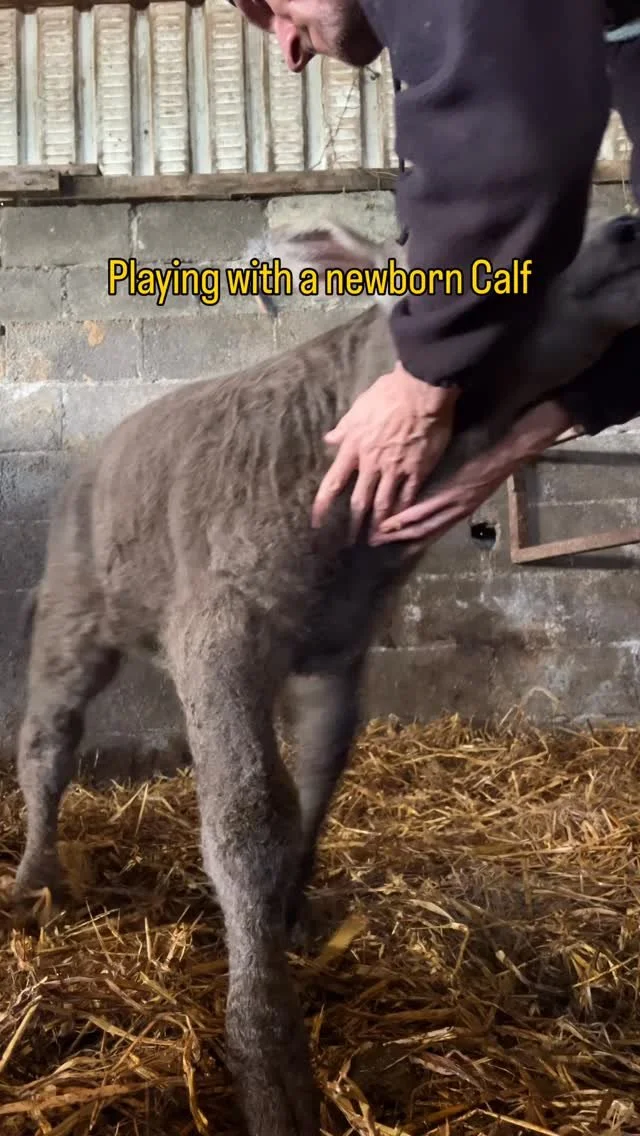
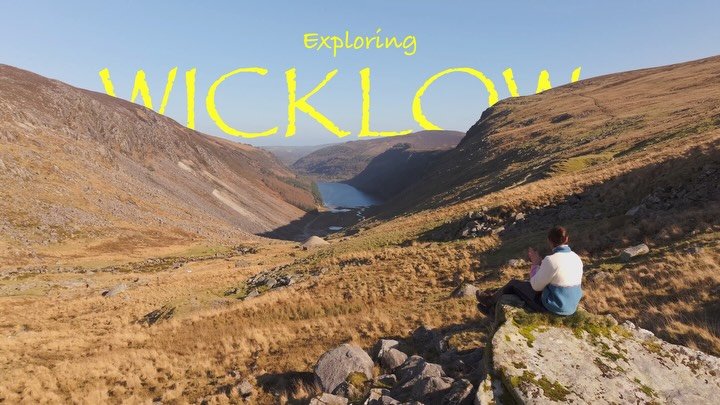
I’m a wildlife cinematographer from the west coast of Ireland, capturing natural history stories both above and below the water. Most of what I do comes down to being in the right place at the right time, then being ready when something happens. I was born and raised in Galway, where being outdoors was part of everyday life. When I’m not filming, I’m still on the family farm, especially in spring, helping with calves and lambs. That early connection to nature shaped how I see things. It taught me patience, awareness, and how to read what’s happening around you. Those are the same instincts I rely on now when I’m filming wildlife.
My interest in cameras started early. I remember taking a photo on my first phone around 2009, a house with a red door surrounded by trees, shot from a moving car. Somehow it came out perfectly. From then on, I was hooked on seeing the world through a lens.
I went on to study Marine Biology, which gave me a strong understanding of the environments I now work in, especially at sea. Over time, I realised my interest wasn’t just the science, it was how you capture those moments. After the pandemic, I made the decision to focus fully on combining both, spending as much time around wildlife as possible with a camera in hand.
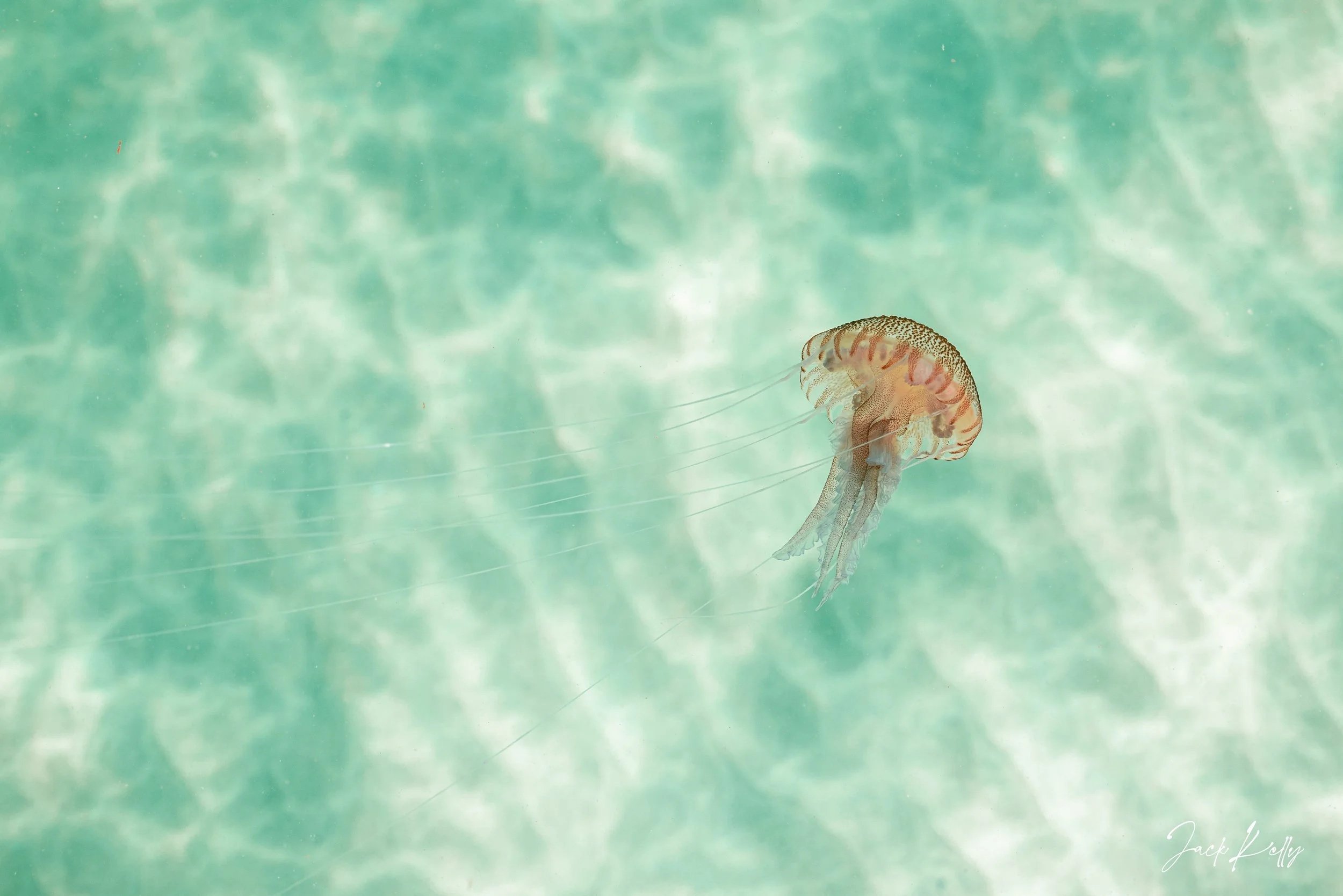
A lot of my work now centres around the ocean, particularly along the west coast of Ireland, where I’ve been filming basking sharks and other marine life. I’m a qualified Divemaster and HSE-certified diver, with additional training on a CCR rebreather. That allows me to stay underwater longer, work across different types of projects, and minimise disturbance. It makes a real difference when you are trying to capture natural behaviour as it happens.
Some moments stand out more than others. In the Red Sea, I had an oceanic whitetip shark come in behind me without warning. I was at the back of a group, everything seemed clear, then someone ahead started frantically waving. When I turned around, it was already there.
I started filming, trying to stay calm, and had to lean out of the way at the last second as it passed close enough to make you question things. You’re trying not to make sudden movements, especially with a camera in your hands, while still capturing what’s happening. It’s one of those moments where instinct takes over.
Another memorable experience was off Donegal, where I once saw dolphins, a humpback whale, and a minke whale all within about 40 minutes. You don’t plan for moments like that. They’re unpredictable, and they don’t come around often, which is a big part of why I keep going back.
My work has taken me from Ireland to South Africa, Egypt, Thailand, and other locations over the years. In South Africa, I worked alongside marine biologists on conservation and research projects, including tagging sharks and documenting the release of rehabilitated African penguins. I have also had more light-hearted moments that remind me how connected to wildlife we are, like an octopus trying to take off with my GoPro while snorkelling in Spain.
Most of what I’ve learned hasn’t come from a traditional route. It has come from being in the water, travelling, working with different teams, and building experience over time.
I work with a professional setup to ensure high-quality results across both wildlife and commercial projects, including the RED V-RAPTOR VV with a Gates underwater housing, as well as drone systems like the DJI Mavic 3 Pro Cine. This gear allows me to operate both above and below the surface, adapting to different environments and project requirements.
Alongside wildlife filmmaking, I take on a range of creative and commercial work. This includes wildlife and documentary filming, branded content, music videos, events, weddings, and photography. That balance supports ongoing fieldwork while also strengthening how I approach storytelling across everything I work on.
At its core, I do it because I enjoy it. I’ve always been drawn to storytelling, especially creating something that makes people feel like they are part of the moment, not just watching it. My background in music feeds into that. Rhythm, pacing, and emotion all play a role in how I film and edit. It is not just about what you capture, it is about how it is experienced.
Wildlife filmmaking is not always straightforward. Access to locations, time in the field, and working safely all play a part. A lot of it comes down to timing, opportunity, and the people you work with. I wouldn’t claim to have it all figured out, but I am always learning and building on experience. If there is a chance to be out filming something meaningful, I will take it.
There is still a lot I want to see and film, in places like the Galápagos and Antarctica. For now, I am continuing to develop my work, particularly in underwater cinematography, while staying open to new projects, collaborations, and opportunities.
If there is a story worth telling, I am interested in being part of it.